
Car dashboard lights
63 dashboard symbols in three colour groups — know which lights mean stop and check now, and which are only information.
Warning lights tell you about the condition of the car, so the driver can notice a problem and deal with it in time. Below is what the most common dashboard warning symbols mean.
Across all types of car there are about 64 kinds of indicator light in total. When the car starts and everything is working normally, no red symbol stays lit.
If any red light comes on, check it: a component may be faulty and it could be dangerous to keep driving.
A blue or green light simply means the car is telling you what is currently in use.
If a yellow or amber light shows on the dashboard, contact your warranty provider or the nearest garage promptly and have it repaired before the damage becomes serious.
Danger warning lights — red
The highest warning level. A red light means a component is faulty and driving on could be dangerous — stop and check straight away.
11 lights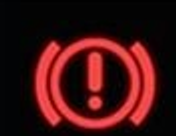
1Handbrake warning light
warns the driver that the handbrake is still applied (mechanical or electronic handbrake).
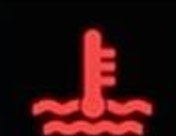
2Temperature warning light
warns that the engine is running hotter than the standard level. Possible causes: the coolant has run out or the cooling system is faulty, or the thermostat or cooling fan may be running continuously, making the engine use more fuel.
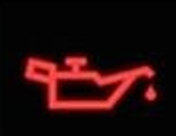
3Low oil pressure warning light
warns about the state of engine lubrication. Deal with it at once: left for long, it seriously affects how the engine runs.
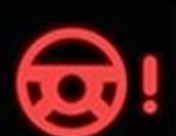
4Electric power steering warning light
warns that the power steering sensors may be faulty or broken, or that the electric power steering (EPS) system has a problem and needs checking urgently.
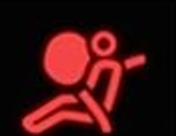
5Airbag warning light
warns that the airbag system has a fault, which may mean the airbags do not deploy in a collision.
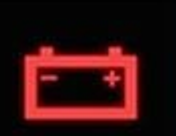
6Battery / alternator fault warning light
tells the driver there is a problem with the battery or the charging system. Have it repaired immediately, because these faults can leave the car unable to start.
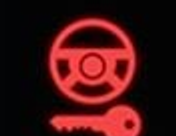
7Steering lock light
warns the driver that the power steering system has a problem and the steering wheel will lock, as it does when the engine is switched off.
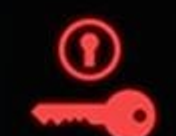
8Ignition switch on light
warns that the ignition switch is on.
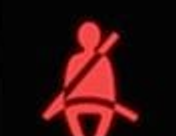
9Seat belt reminder light
warns that you need to fasten your seat belt immediately. Some manufacturers now only activate the airbags when the seat belt is fastened. Keep this in mind for your own safety and that of your passengers.
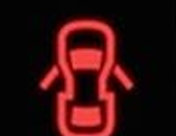
10Door open light
warns that a door is open or not fully closed. Check before the car moves off, for the safety of the vehicle and other road users.
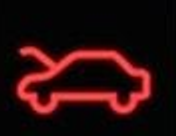
11·12Boot / bonnet open light
warns that the boot or bonnet is open or not fully closed. Check again before the car moves off.
Fault lights that need checking — yellow / amber
The car can still be driven but something is not working properly. Get it to a garage soon; left alone, the fault gets worse and costs more to fix.
36 lights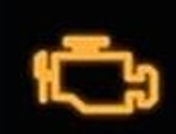
13Engine emissions warning light
Warns that the engine emissions system has a problem.
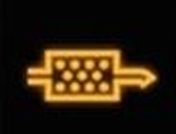
14Diesel particulate filter warning light
for diesel cars: the particulate filter is clogged or has a fault it cannot clear by itself.
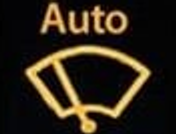
15Automatic windscreen wiper light
Warns that the wiper sensor is faulty, so the wipers may not work.

16Glow plug light
A reminder that the glow plugs are pre-heating so the car starts more easily, especially in cold weather. Wait until the light goes out before starting. If it stays on too long, the weather may be very cold or a glow plug may be faulty.
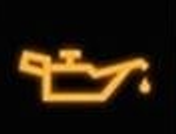
17Low oil pressure light
This light always comes on in amber when the ignition is switched on, and goes out a few seconds later. If it shows red while driving and does not go out, the engine oil is low. The car must not be driven, and the oil must be checked and topped up at once.
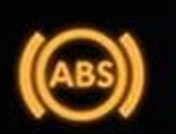
18ABS light
This warning light only appears on cars fitted with an anti-lock braking system (ABS). When it shows red, the anti-lock braking system has a problem; the brakes may still work, but the safety of the whole car is affected.
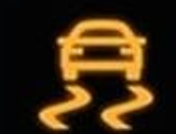
19Electronic stability control off light
Tells you the electronic stability control has been switched off manually.
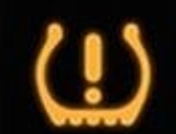
20Tyre pressure light
Warns that your tyre pressure is low (under-inflated tyre).

21Rain sensor light
Warns that the rain sensor is faulty. The wipers will then not come on automatically when it rains.
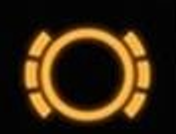
22Brake pad warning light
Warns that the brake pads are worn and need replacing to stay safe.
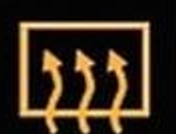
23Rear window defrost light
In cold countries, this light warns that the rear window needs defrosting.
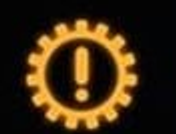
24Automatic gearbox fault warning light
Warns that your automatic gearbox has a fault. Do not keep driving; call for recovery and have it checked at once.
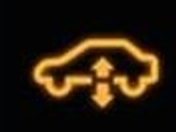
25Suspension fault warning light
Warns that the suspension system has a fault.
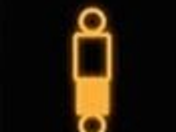
26Shock absorber light
Warns that the shock absorbers may be faulty or the car is overloaded. Check the load; if the car is not overloaded and the light stays on, have it checked.
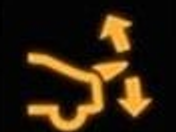
27Rear spoiler warning light
The rear spoiler may not be in its correct position, which can unbalance the car or reduce its speed.
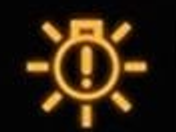
28Exterior light fault light
Warns that one or all of the exterior lights have a fault.
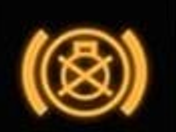
29Brake light warning light
Warns that the rear brake lights have a problem.
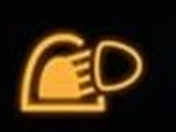
30Rain and light sensor light
Warns that the rain and light sensor is faulty.
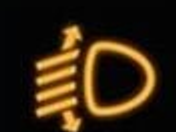
31Headlight range adjustment light
Tells you the headlights are on and you need to adjust their range so they do not dazzle oncoming traffic.

32Adaptive lighting system light
Warns that the automatic beam control system is not working properly.
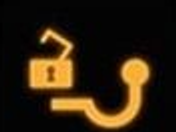
33Tow hitch light fault light
Warns that the tow hitch lights have a problem.
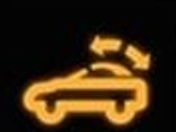
34Convertible roof warning light
This light only appears on convertibles and warns that the roof is not in its correct position.
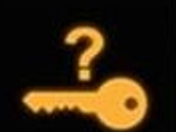
35Key not in ignition light
Warns that the car key is not in the ignition.

36Lane departure warning light
Warns that your car may be drifting out of its lane, which is dangerous.

37Press clutch pedal light
Tells the driver the clutch pedal is not being pressed correctly, is sticking, or is not fully down.

38Low washer fluid warning light
Tells you the screenwash level is low and needs topping up.
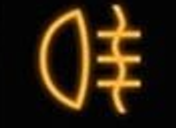
39Fog light (rear)
Tells you the rear fog light is on.
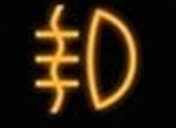
40Fog light (front)
Tells you the front fog lights are on.
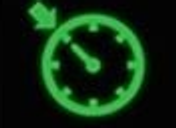
41Cruise control on light
Tells you cruise control is active.
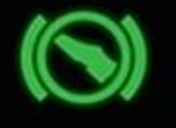
42Press brake pedal light
A reminder to press the brake pedal firmly in order to start the car.
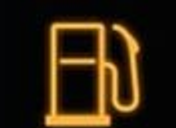
43Fuel light
Warns that fuel is nearly empty and needs topping up.

44Turn signal light
Tells you an indicator is on.

45Winter driving mode light
Tells you your car is in winter driving mode (icy, snowy and slippery roads).
46Information light
Tells you your car is giving information by a signal or on the electronic display.

47Frost light
Tells you the car’s weather sensor has detected frost outside.
48Remote key light
Warns that the key (smart key) battery is nearly flat and needs replacing.
Status lights — green / blue
Not a fault warning: the car is telling you a function is switched on or working.
16 lights
49Distance warning light
Warns that your car is too close to the vehicle in front.
50Main beam on warning light
Tells you main beam is on, which can blind oncoming drivers or break traffic law if you are driving in an urban or residential area.
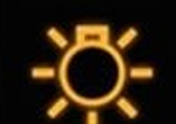
51Indicator information light.
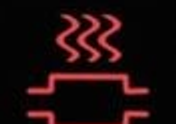
52Catalytic converter fault warning light
Warns that the catalytic converter has a problem. The most common cause is a weak ignition system that leaves fuel not fully burnt.
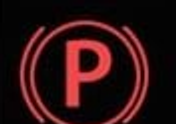
53Parking brake light
Tells you the handbrake is on.

54Parking assist light
Tells you the front, rear and surrounding sensors are working to help with parking.
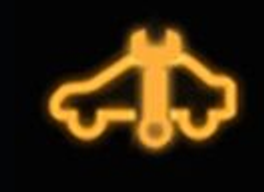
55Service due light
Tells you the car needs servicing after a long period of use.
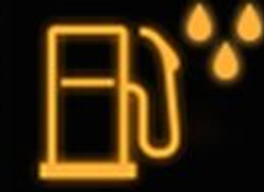
56Water in fuel filter light
Warns that there is water in the fuel filter.

57Airbag system off light
Warns that the airbag system is switched off.
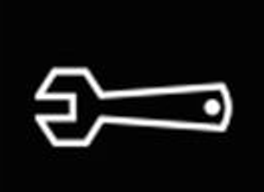
58Repair needed light
Tells you some component of the car has a problem and needs checking.
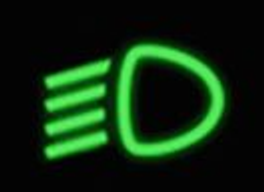
59Dipped beam on light
Tells you the dipped headlights are on.
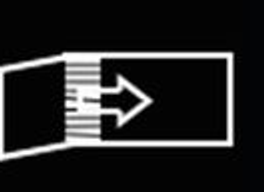
60Dirty air filter light
Tells you the car’s air filter is dirty.

61Eco driving mode light
Tells you the car’s fuel-saving driving mode is active.
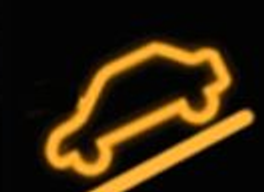
62Hill descent control on light
Tells you the car’s hill descent control is active.

63Fuel filter fault warning light
Warns that the fuel filter has a problem and needs checking.
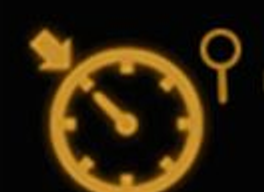
64Speed limit light
Warns that the car may be exceeding the speed limit.
If a fault light appears on the dashboard, stay calm: it is a warning, not a sign that danger is about to happen immediately. In the long run, however, the risks grow and the repair bill rises, so have it fixed early.
Keep learning
FAQ
See allThe bank has 600 questions. Do I have to learn them all?
The bank has 600 questions in 6 chapters. Each car class draws its paper from the 350 questions in that class's scope, not the whole bank. The app filters to the right scope for the class you choose, so revising for your own class is enough.
How many questions are in the theory test, and how long is it?
It depends on the class. Class A1: 25 questions in 19 minutes, with at least 21 correct. Class B: 30 questions in 20 minutes, with at least 27 correct. Class C1: 35 questions in 22 minutes, with at least 32 correct. Other classes have their own numbers — the figures for each class appear in the "Quick mock test" block when you switch class.
What is a critical question? Do I fail if I get one wrong?
Every paper includes a critical question drawn from the group of 60. Get one critical question wrong and you fail the whole paper, however many of the others are right. So learn this group separately, until you are certain, rather than mixed in with the rest.
Are memory tricks enough to pass?
Tricks help you remember the easily confused questions, but they do not replace understanding. Papers are drawn at random from the whole bank, so if you only know the trick, a question worded differently costs you a mark. The right way: understand first, then use tricks to lock in the questions you tend to forget.
There are so many road signs. Is there a quick way to remember them?
Remember them by GROUP, not one by one: prohibitory signs are white with a red border, warning signs are yellow triangles, mandatory signs are blue circles, information signs are blue squares. Once you know the rules of shape and colour you can place an unfamiliar sign in its group, and only the specific meaning is left to learn.
I am just starting. What order should I learn in?
Theory first, and within theory take the critical questions separately and learn them until you are certain. Only then practise papers to get used to the time pressure. Doing papers before you know the theory only feels like progress: you remember the answers to each paper, not the questions.